
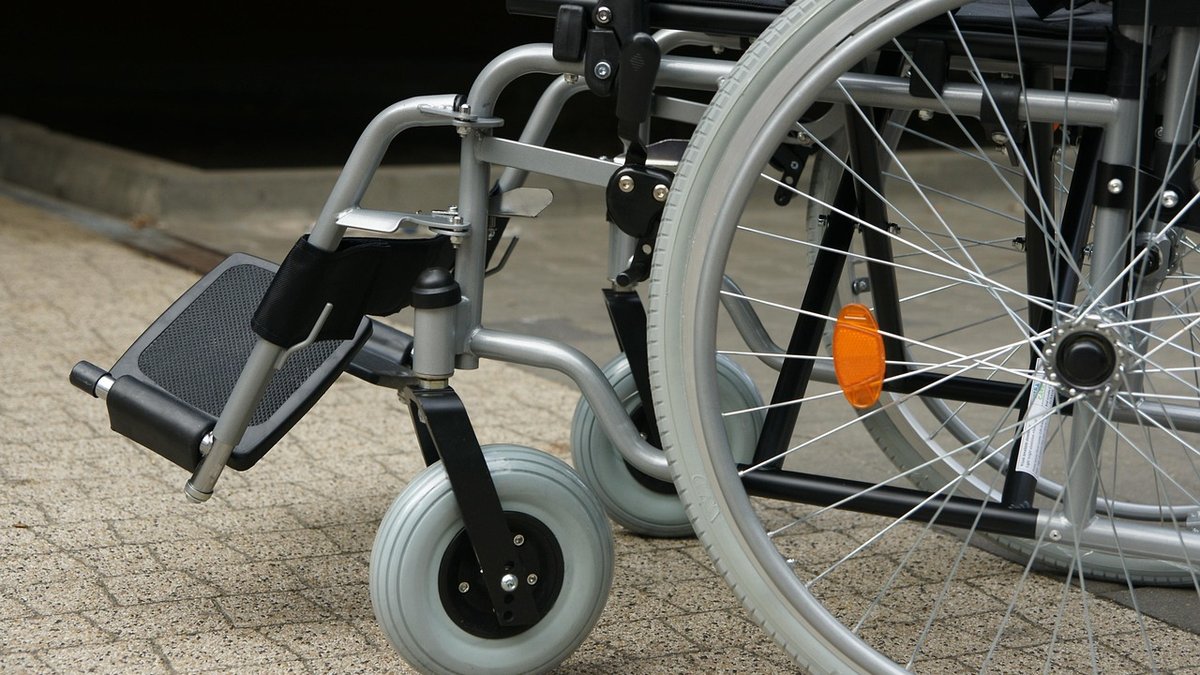
Choosing between a rollator and a standard walker can feel overwhelming, especially when both are designed to keep you steady and independent. The right choice depends on where you'll use it, how much support you need, and whether you tire easily. This guide breaks down the practical differences so you can decide with confidence.
A rollator is a wheeled walking aid with four wheels, handle-mounted brakes, and usually a padded seat and a basket or tray. You push it in front of you rather than lifting it. The wheels roll over pavements, gravel, and carpet edges, whilst the brakes let you slow down or stop on slopes. The seat gives you a place to rest when you need it, which is a game-changer for shopping trips or longer walks. Most rollators fold for transport, and many have adjustable handle heights. They suit people who can walk but need frequent breaks or extra stability over distance.
A standard walker—sometimes called a walking frame—has no wheels, or just two front glides. You lift it, place it ahead, and step into it. This simple design offers maximum stability because the frame stays planted whilst you move. It's lightweight, inexpensive, and ideal for short indoor distances, such as moving between rooms or reaching the bathroom. Because you must lift it with every step, it encourages a slower, more deliberate gait. It also takes up less space than a rollator, making it easier in narrow hallways or small flats. However, it offers no seat, no brakes, and no storage.
The core difference is how you use them. A rollator rolls continuously, so you need less upper body strength to move, but you must be able to squeeze brake levers and steer. A walker requires you to lift it with each step, which builds a rhythm but can tire your arms and shoulders. Rollators are generally heavier and wider; walkers are lighter and narrower. Rollators cost more because of wheels, brakes, and seats. Walkers are simpler and cheaper to maintain. Neither is "better"—they solve different problems.
Think about where you'll spend most of your time. Indoors, a walker shines in small spaces. You can lift it over a threshold or turn it in a tight corner. It gives you something to grip as you rise from a chair or bed. Outdoors, a rollator is far more practical. Its wheels roll over uneven paving, kerbs, and grass. The seat lets you pause at a bus stop or in a queue. The basket carries shopping or a handbag. If you venture out on wet or icy days, choose a rollator with larger, puncture-resistant tyres and reliable brakes. For purely indoor use, a walker keeps things simple and safe.
Both aids can improve posture, but they do so differently. A walker encourages you to stand upright as you lift and step, though some people lean forward too much. A rollator lets you walk more naturally, but you must avoid pushing it too far ahead. Handle height is crucial: your elbows should be slightly bent when you grip. A physiotherapist or occupational therapist can measure you and recommend the right model. Consider your grip strength—rollator brakes need a firm squeeze, whilst walker lifting needs arm and shoulder strength. If you have balance problems, a walker may feel more secure because it doesn't roll away. If you tire quickly, a rollator's seat offers welcome reassurance.
Match the aid to your daily life. Choose a rollator if you:
Choose a standard walker if you:
If you're unsure, try both. Many mobility shops and local loan schemes let you test them. Also consider a rollator with a seat that folds flat for car transport, or a walker with front glides if you want a little roll without full wheels. Whichever you choose, check the weight limit, adjust the handles to your height, and inspect the ferrules or tyres regularly. A well-fitted aid keeps you moving safely and comfortably.

Hi, my name is Anthony kuber. I am artist and fashion designer.
I love to travel and writing blogging.
Your email address will not be published. Required fields are marked *
Software Developer & Writer
Hey, I'm Diva, a developer and writer blending code and creativity. I'm driven by a deep curiosity and a relentless pursuit of excellence. Join me as I craft digital solutions and captivating stories.


